The Sustainable Substrate Library
Evaluating raw material integrity before committing to packaging dies. Explore the physical attributes, post-consumer recycled percentages, print affinities, and recycling end-of-life characteristics of our core substrates.
Unbleached Natural Kraft Paper
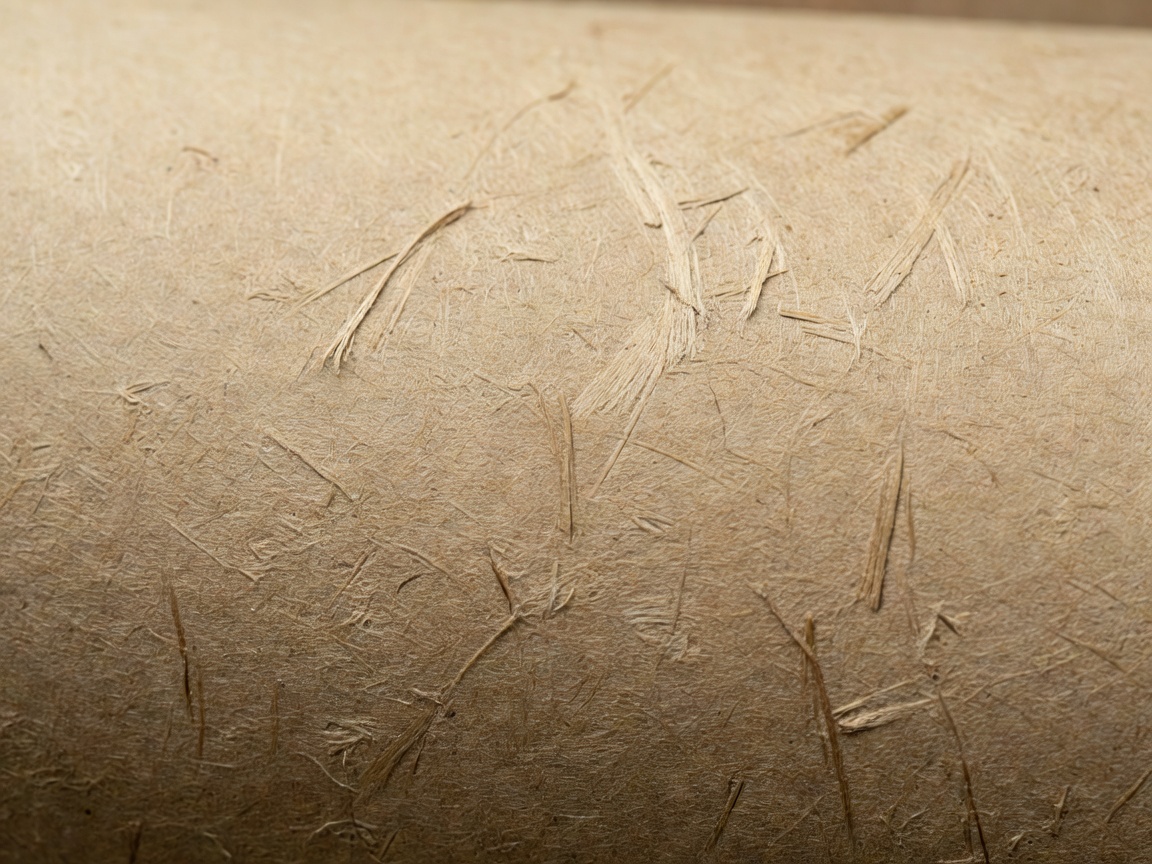
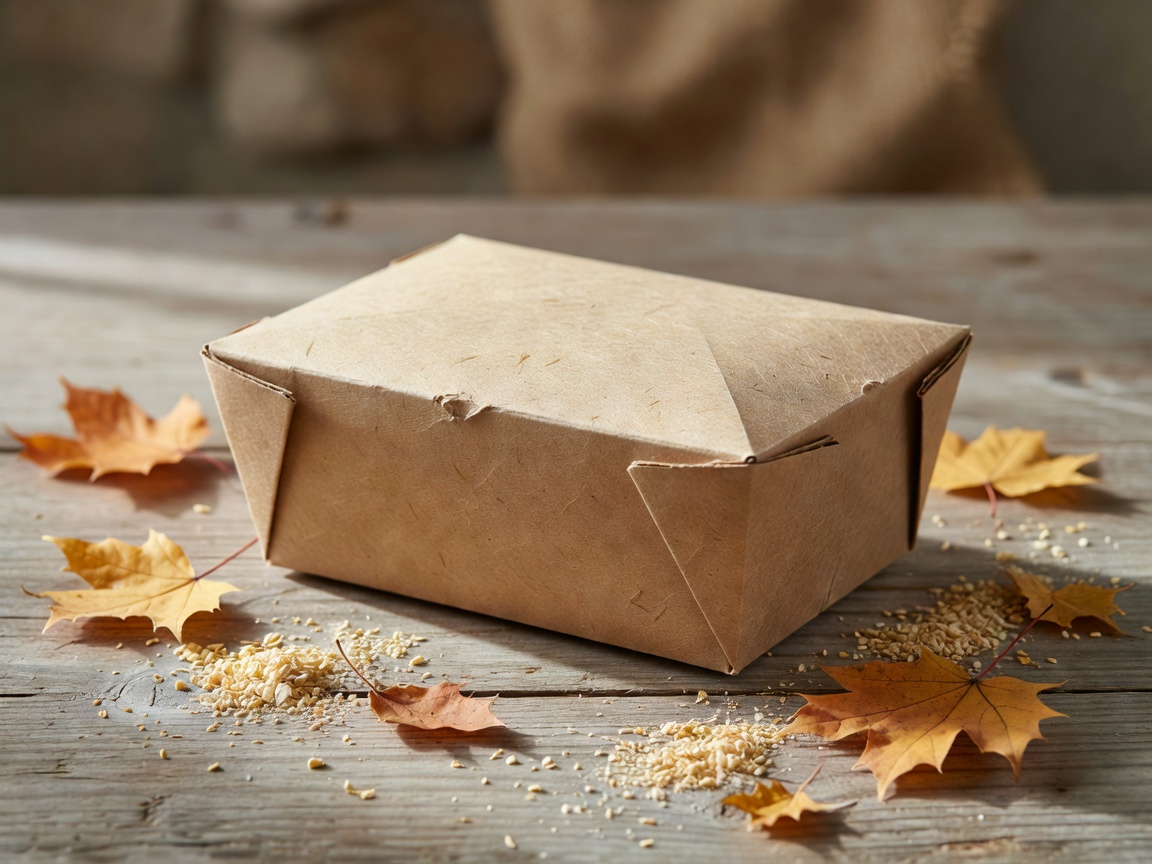
Produced via the sulfate chemical pulping process, natural kraft maintains unbroken wood fiber chains, resulting in exceptional tear resistance and tensile strength. By bypassing elemental chlorine or peroxide bleaching agents, it preserves its iconic warm earthy hue while consuming significantly less energy and water during mill refinement.
80gsm – 450gsm
Curbside Paper Stream
Fluted Corrugated Fiberboard (E & B Flute)
Corrugated architecture relies on an arched wave of fluted testliner bonded between outer kraft linerboards. The trapped air columns act as continuous shock cushions while offering extraordinary Edge Crush Resistance (ECT). Our standard corrugated stocks leverage between 75% and 100% recycled paper fiber.
1.5mm (E) / 3.0mm (B)
85% Flute / 70% Liner
Thermoformed Molded Pulp Fiber
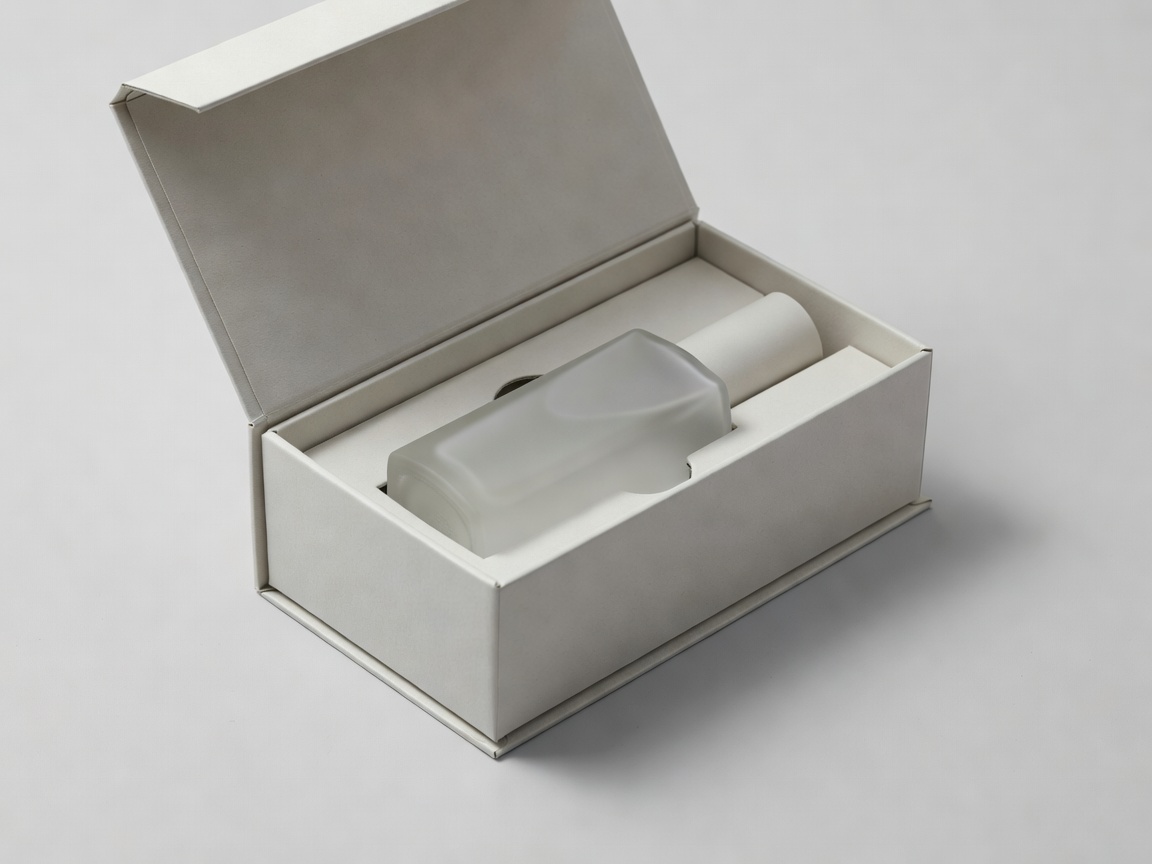
Molded pulp is synthesized by vacuum-forming aqueous slurry of post-industrial corrugated waste, bamboo offcuts, and sugarcane bagasse into custom-tooled aluminum dies. Heated hydraulic press cycles create an ultra-smooth, dust-free surface suitable for luxury cosmetic bottles and delicate hardware.
1.2mm to 2.5mm
100% Replaces EPS Foam
Aqueous Dispersion Barrier Coatings
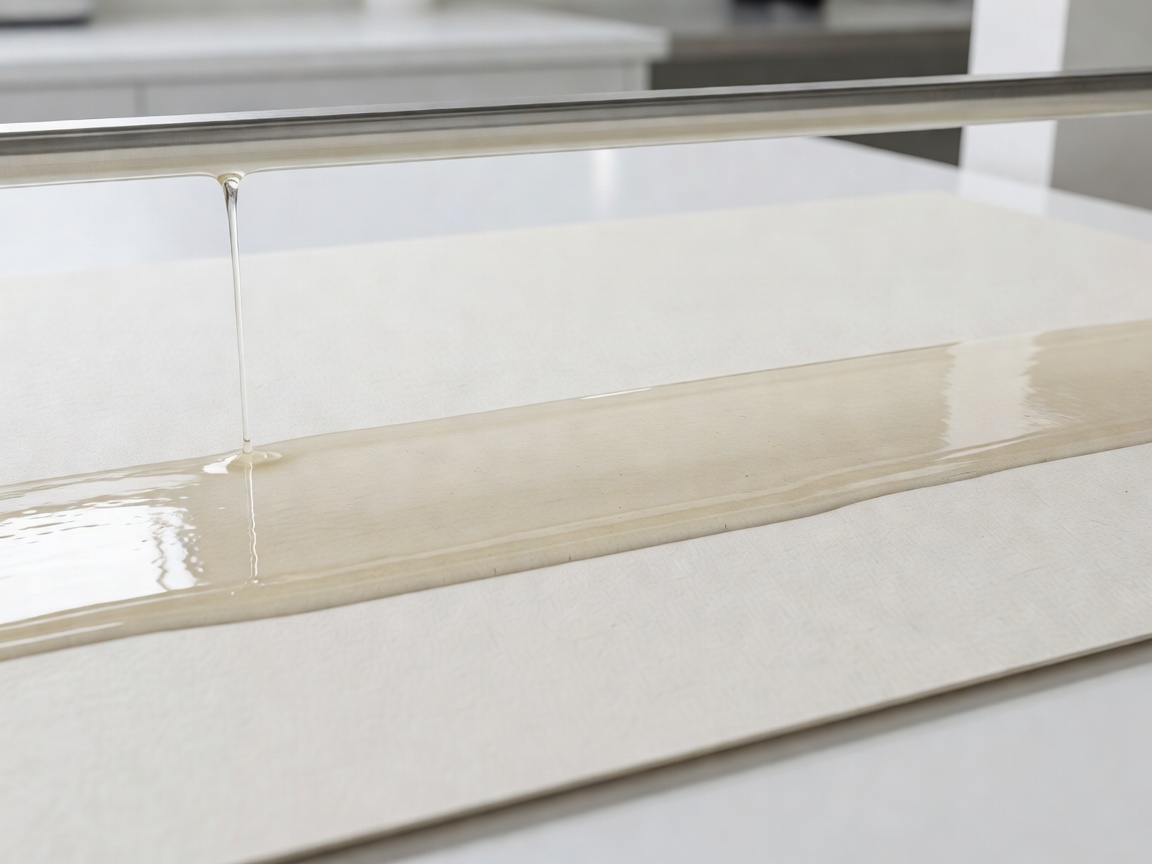
Conventional take-out and food containers rely on polyethylene (PE) or polyfluoroalkyl substances (PFAS) to resist oils. Our aqueous coatings disperse microscopic water-based polymer particles that form an impenetrable barrier during hot drying yet completely disperse in the agitated warm water of paper hydropulpers.
4–8 g/m² dry film
Standard Mill Compliant
Comparative Substrate Performance
A balanced side-by-side analysis of key physical and environmental parameters across standard materials.
| Substrate Grade | Primary Source | Recycled Content | Curbside Recyclability | Moisture Resistance | Print Resolution |
|---|---|---|---|---|---|
| Kraft Testliner | Unbleached Wood Fiber | 80% – 100% | Universal (Blue Bin) | Low (Porous) | Medium (Matte / Bold) |
| Corrugated E-Flute | Recovered Cardboard | 85% – 95% | Universal (Corrugated) | Low without barrier | High (Flexo / Direct) |
| Thermoformed Pulp | Bagasse / Kraft Slurry | 100% Post-Industrial | High (Repulpable) | Moderate (Surface Sized) | Low (Deboss Preferred) |
| Aqueous Foodboard | FSC Virgin + Dispersion | 0% – 30% (Food contact) | High (No plastic film) | High (Oil & Moisture) | High (Food-safe inks) |
| Solid Bleached Sulfate | Virgin Timber Fibers | 0% (High Brightness) | Universal (Paper) | Low | Very High (Litho Offset) |
Data reflected in this matrix illustrates general paper engineering parameters under 23°C / 50% RH conditioning. For formal Technical Data Sheets (TDS) and mill lot declarations, please contact our laboratory team.